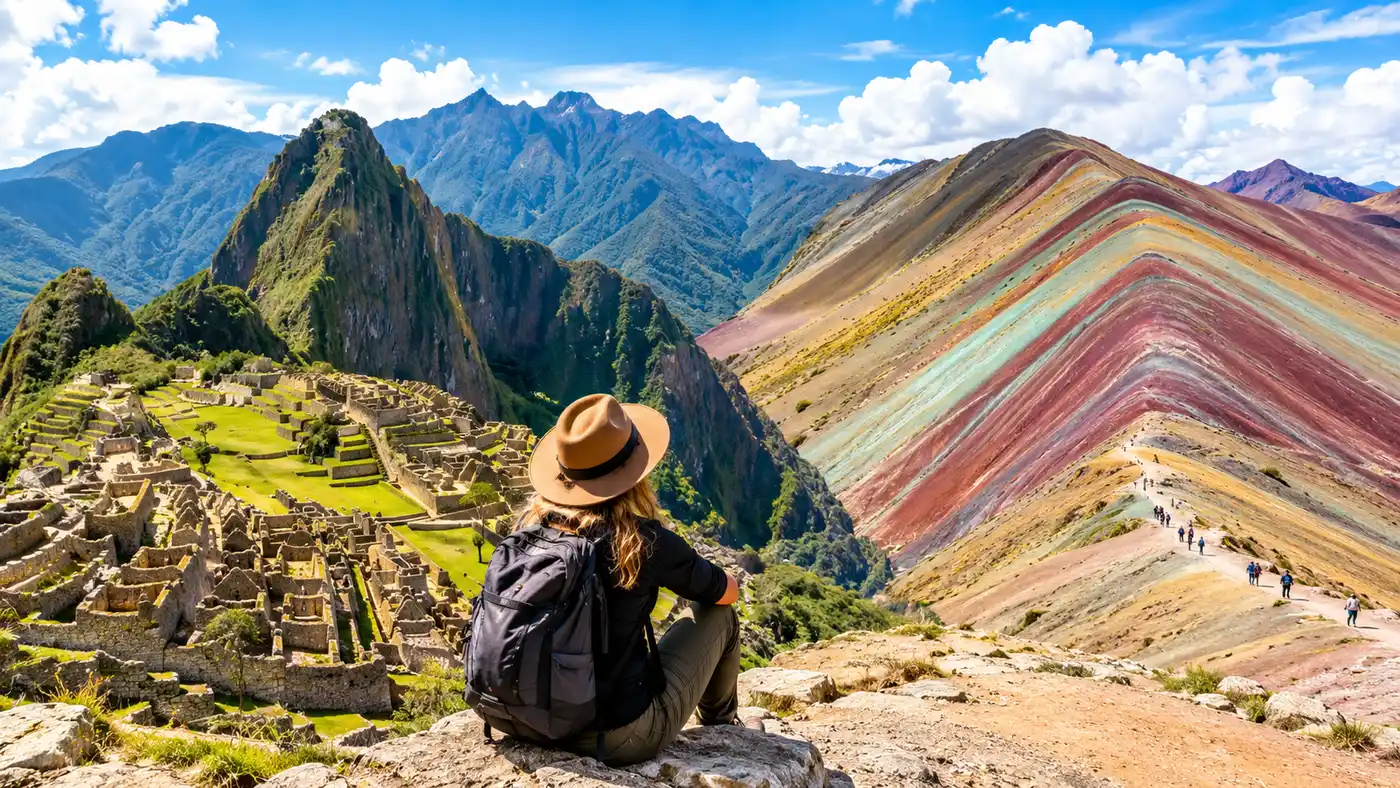
Machu Picchu and Rainbow Mountain: Complete Combo Tour Guide
Most people land in Cusco with two non-negotiable sights pinned to their map, and they quickly realize those spots sit in completely different worlds. You can book a comprehensive machu picchu and rainbow mountain tour that links them into a single seamless itinerary, but doing it right requires an understanding of geography, pacing, and how your lungs handle thin Andean air. One day you are walking through humid cloud forests surrounded by orchids and stone ruins, and the next you are shivering at 5,036 meters on a windswept ridge of raw mineral bands.
I have seen plenty of travelers ruin their vacations by trying to sprint through both destinations in forty-eight hours. It looks simple enough on a flat map, yet Southern Peru does not play by flat rules. Between train schedules through the Sacred Valley, permit lotteries, and the brutal altitude of Vinicunca, planning requires real strategy. This guide covers how to connect both iconic sights comfortably, what packages actually cost, and how to survive the elevations without spending half your trip sick in a hotel room.
Book your rainbow mountain tour experience:
How Far Is Rainbow Mountain from Machu Picchu?
A common mistake first-timers make is asking how far is rainbow mountain from machu picchu as if you could walk out the exit gate of the citadel and hop onto a trail to the colored ridge. In reality, they lie on opposite sides of Cusco. Machu Picchu sits roughly 75 kilometers northwest of Cusco down in the subtropical Urubamba province, while Vinicunca stands about 100 kilometers southeast toward the Ausangate region. Cusco acts as the central hub connecting them.
To travel between them, you must return through Cusco or skirt around the edges of the Sacred Valley. There is no direct highway cutting across the jagged Vilcanota mountain range. If you left Aguas Calientes at dawn, took the train back to Ollantaytambo, drove past Cusco, and pushed straight toward the trailhead, you would spend ten uninterrupted hours on trains and winding mountain switchbacks. Nobody enjoys that.
Separating the two journeys by at least a day makes all the difference. It saves your back from endless minivan vibration, and more importantly, it lets your body handle the massive elevation swings. Machu Picchu rests at a mild 2,430 meters above sea level, which feels downright lush and oxygen-rich compared to Cusco. Rainbow Mountain sits at 5,036 meters, a height that triggers severe headaches and nausea if you rush up without adequate acclimatization.
Note: Never attempt Rainbow Mountain on your first or second day in Peru. Even if a local agency promises you will be fine with coca tea, heading straight to 5,000 meters before your blood chemistry adjusts is a recipe for medical evacuation.
Choosing Between Machu Picchu and Rainbow Mountain Tour Packages
When you start browsing machu picchu and rainbow mountain tour packages, you will notice they generally fall into three formats: three-day quick hits, four-day classics, and five-day extended routes that wrap in the Sacred Valley. Deciding which one fits your travel style comes down to how much time you have and how well you handle early morning departures. Most four-day rainbow mountain tour packages offer the sweet spot between sanity and seeing the highlights.
A classic three-day run usually dedicates day one to exploring Cusco or the Sacred Valley, day two to an early train journey for a full afternoon at Machu Picchu, and day three to an exhausting 3:30 AM pickup for Vinicunca. It works if you have limited vacation days, but your legs will feel heavy, and your sleep schedule will take a beating. A four-day sacred valley and rainbow mountain tour creates a much gentler rhythm. You spend a night down in Ollantaytambo or Urubamba, catch an earlier train to the ruins, return to Cusco for a full night of rest, and tackle the high-altitude hike on your final morning.
| Tour Format | Duration | Max Elevation | Pacing Style | Typical Price (USD) |
|---|---|---|---|---|
| Express Duo | 3 Days / 2 Nights | 5,036 m | Rushed, back-to-back pre-dawn departures | $385 - $490 |
| Classic Combo + Valley | 4 Days / 3 Nights | 5,036 m | Balanced, overnight in Sacred Valley | $480 - $620 |
| Inca Trail & Vinicunca | 6 Days / 5 Nights | 5,036 m | Physically demanding, multi-day trek first | $850 - $1,150 |
| Private Custom Pace | 4 Days / 3 Nights | 5,036 m | Flexible start times, private transport | $750 - $1,300 |
For hikers who want a deeper physical challenge, an inca trail and rainbow mountain tour pairs the classic four-day foot journey into the Sun Gate with a recovery day in Cusco, followed by a day trek up to Vinicunca. It is a grueling combination, but standing on Dead Woman's Pass at 4,215 meters prepares your lungs wonderfully for the final push up the mineral slopes.
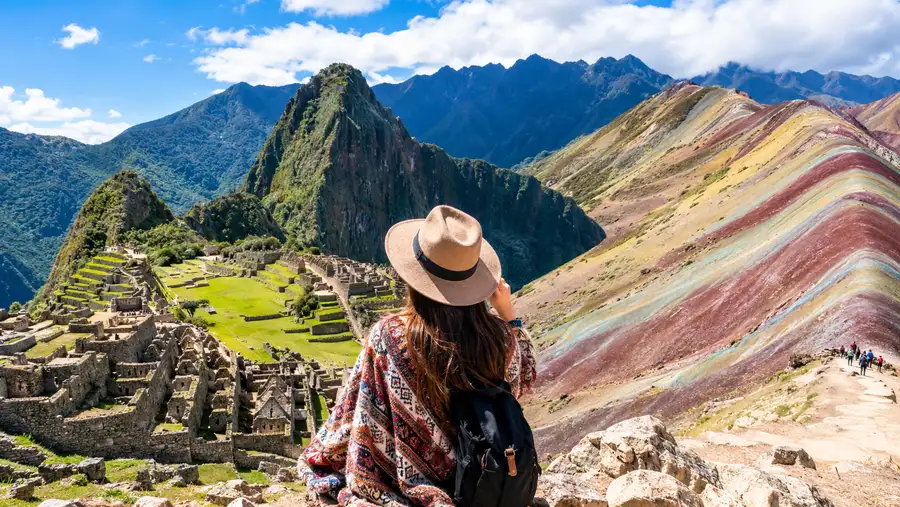
The Ideal Itinerary: Acclimatization and Routing
Altitude logic dictates your entire route. When flying into Cusco from Lima at sea level, you instantly land at 3,399 meters. Your blood needs roughly 48 to 72 hours to start generating the extra red blood cells required for vigorous uphill walking. The smartest trick seasoned travelers use is dropping immediately down into the Sacred Valley upon landing. Places like Pisac, Urubamba, and Ollantaytambo sit between 2,800 and 2,970 meters, making sleeping far easier and reducing morning altitude headaches.
Pro tip: Book a private transfer directly from Cusco airport to your hotel in Ollantaytambo. You drop roughly 600 meters of elevation in under two hours, sleep better on night one, and wake up right next to the train station for Machu Picchu.
From Ollantaytambo, you ride the train along the tumbling river into Aguas Calientes, explore the ancient citadel, and spend the night in the valley before heading back up to Cusco. By the time you return to the historic center, you are four days into your trip, your body has adapted, and you are finally ready for the 5,000-meter push. If you want to study the elevation profile in detail before committing, take a look at our guide to Rainbow Mountain altitude and trail logistics.
Here is how a sensible four-day flow comes together:
- Day 1: Arrival and descent: Land in Cusco before midday, drive straight to Ollantaytambo, explore the fortress ruins, and sleep at 2,792 meters.
- Day 2: Machu Picchu discovery: Take the 7:05 AM train to Aguas Calientes, take the shuttle bus up, tour Circuit 2, and catch the late afternoon train back to Cusco.
- Day 3: Cusco rest and wandering: Walk the cobblestones of San Blas, drink plenty of water, eat a light lunch of quinoa soup, and prepare your warm layers.
- Day 4: Vinicunca ridge hike: Depart Cusco at 4:00 AM, hike the 4-kilometer path to the pass, take in the colors, and return to town by mid-afternoon.
Book your rainbow mountain tour experience:
Costs, Inclusions, and Hidden Fees for Rainbow Mountain Tour Packages
Sorting through quotes for machu picchu rainbow mountain combos can be frustrating because agencies bundle things differently. A quote that seems like a bargain at $290 might not include the mandatory train tickets or the Machu Picchu entrance permits, both of which add considerable expense. PeruRail and Inca Rail ticket prices fluctuate depending on the departure time, running anywhere from $65 to $115 each way for standard passenger carriages.
Machu Picchu entrance tickets are strictly capped and categorized by circuit. The classic upper terrace views fall under Circuit 2, which sells out months ahead during dry season. If an agency books you onto an inferior lower circuit without telling you, your photos will look very different from what you expected. On top of that, shuttle bus tickets between Aguas Calientes and the entrance gate run $24 round-trip per adult, an expense that budget tours frequently leave out of the headline price.
On the Vinicunca side, costs are simpler but still feature local cash payments. The local indigenous communities manage access, charging an entrance fee of 25 soles per foreign visitor at the checkpoint. If your legs surrender halfway up the valley, local horse handlers offer one-way rides for about 60 to 80 soles. You can also pay an extra 20 soles at the summit ridge to hike across into the surreal crimson landscape nearby, something we cover in our breakdown of the Red Valley Peru trail route.
Watch out for these unexpected extras when comparing proposals:
- Community trail tolls: Small regional checkpoint fees along the dirt road to Cusipata, usually paid in local cash.
- Luggage storage charges: Some budget hotels in Cusco charge 10 to 15 soles per bag per day while you are away overnight at Machu Picchu.
- Single supplement charges: Solo travelers often get hit with steep surcharges for private hotel rooms in Aguas Calientes.
- Tipping expectations: Guides and drivers work long shifts, and standard tips run roughly 30 to 50 soles per day from each traveler.
Weather, Crowds, and Trail Reality
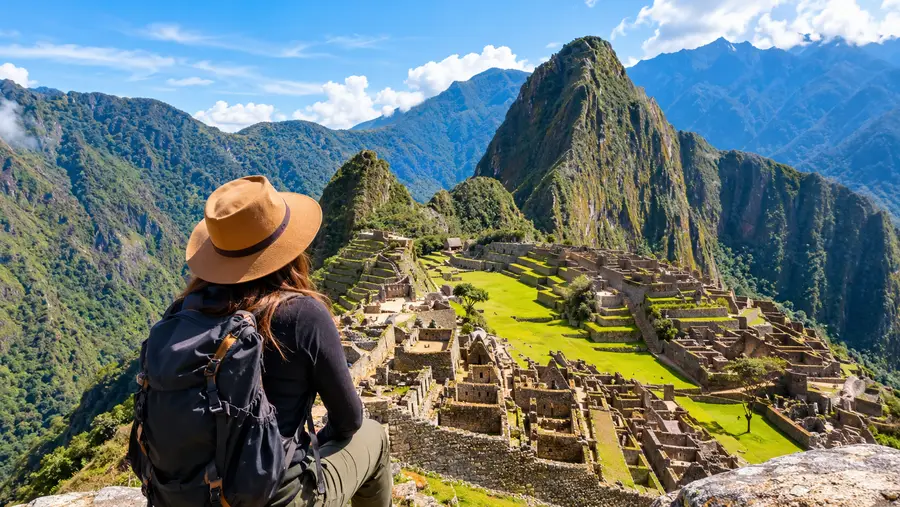
The Andes do not care about your travel calendar. The dry season runs from May through September, bringing blue skies, crisp mountain light, and bone-chilling night temperatures. These months offer the sharpest views of the striped sandstone ridges, but they also draw heavy tourist traffic. At Machu Picchu, early morning mist usually burns off by 9:00 AM, revealing the iconic granite peaks against a deep blue sky.
The wet season stretches from November through March, peaking in January and February. Trails turn slick, the Urubamba River roars with mud, and Vinicunca frequently wakes up buried under a blanket of white snow. Seeing Rainbow Mountain covered in snow is oddly beautiful, yet it defeats the purpose if your heart is set on seeing the turquoise, magenta, and gold strata. The shoulder months of April and October often deliver the best balance, offering fewer tour buses and enough sun to keep trails dry.
The physical sensation of hiking at 5,000 meters surprises even fit athletes. Your stride shortens, your heart thumps against your ribs like a drum, and every ten steps uphill requires a deliberate pause. You do not need technical climbing skills, but you do need patience with your own body. Dress in layers you can peel off quickly. You will start the hike freezing in thermal gloves and a down coat, sweat heavily thirty minutes into the ascent, and pull the windbreaker back on the moment you hit the exposed pass where icy gusts whip across from Mount Ausangate.
Frequently Asked Questions about machu picchu and rainbow mountain tour
Can you do Machu Picchu and Rainbow Mountain in two days?
Technically an agency can drive you to Machu Picchu via the hydro-electric route or early train and rush you to Vinicunca the next morning, but it is miserable. You will be completely sleep-deprived, spend eighteen hours sitting in transit, and run a high risk of developing acute mountain sickness on the trail.
Which should I visit first, Machu Picchu or Rainbow Mountain?
Always visit Machu Picchu first. Machu Picchu sits at 2,430 meters, which is much lower than Cusco, allowing your lungs to rest and adapt. Rainbow Mountain sits at 5,036 meters and should be saved for the very end of your trip once your body has acclimatized for three or four days.
Are horses available if I cannot walk the entire Rainbow Mountain trail?
Yes, local horsemen rent horses near the trailhead for roughly 60 to 80 soles one-way. They can carry you across the flat and moderate sections of the valley, but Peruvian regulations require you to dismount and walk the final, steepest rocky climb to the viewing ridge yourself.
What happens if it rains or snows on Rainbow Mountain?
Weather shifts rapidly above 4,500 meters. If light snow falls, the colors become muted under a white dusting. Tours still run unless the dirt road from Cusipata becomes blocked by mudslides. Bringing reliable waterproof clothing and sturdy boots with deep tread is essential between November and April.
Quick Reference
- Machu Picchu elevation: 2,430 meters
- Rainbow Mountain elevation: 5,036 meters
- Distance between sites: ~175 km via Cusco
- Recommended trip length: 4 to 5 days minimum
- Peak weather window: May through September
Book your rainbow mountain tour experience:
The Bottom Line
Pairing the lost stone city of the Incas with the high-altitude mineral ridge of Vinicunca is easily one of the most rewarding adventures in South America. The contrast between deep green river canyons and stark, wind-scoured alpine summits makes the effort worthwhile. Just give yourself the time to adapt, respect the altitude, and avoid booking the cheapest cut-rate itinerary that sacrifices your sleep. Book your permits well in advance, pack warm wool socks, and let the mountains unfold at their own pace.
Read more about rainbow mountain tour.